


A Solid PROOF That Can Be Tricky At Points — Review
Hot off a well-deserved wave of recognition for the musical juggernaut of Hamilton in 2015, director Tommy Kail returned to The Public Theater one year later to direct Dry Powder, playwright Sarah Burgess’ buzzy satire of high finance. The cast was star-packed: John Kransinski, Claire Danes, Hank Azaria. The high-intensity Wall Street setting offered rich potential. Yet the resulting production was sleek, flashy and utterly lifeless, an attempted comic-thriller that sputtered from scene one.
As if to drive the point home, Kail returned to The Public again in 2018 with Burgess’ follow-up Kings and delivered an even sleepier production, slack-paced and unexciting. Around the same time, Kail did do fine work with a Nia Vardalos-led and adapted Tiny Beautiful Things (despite much resistance, I was very moved). But the less said about his revival of Anna Christie at St. Ann’s Warehouse earlier this year, the better.
All of this to say: Thomas Kail is a very talented individual, and I’m not entirely convinced that Thomas Kail should be directing plays.
Certainly not on the evidence of Proof, another star-led production opening tonight at the Booth Theatre. David Auburn’s elegant and moving 2000 play, which earned both the Tony Award for Best Play and the Pulitzer Prize for Drama in 2001, is a gorgeous piece of writing. Pitched at full force, it can rip your heart out. But Kail’s spiritless revival fails to tap into the play’s specific collision of expansive ideas and fervid emotion.
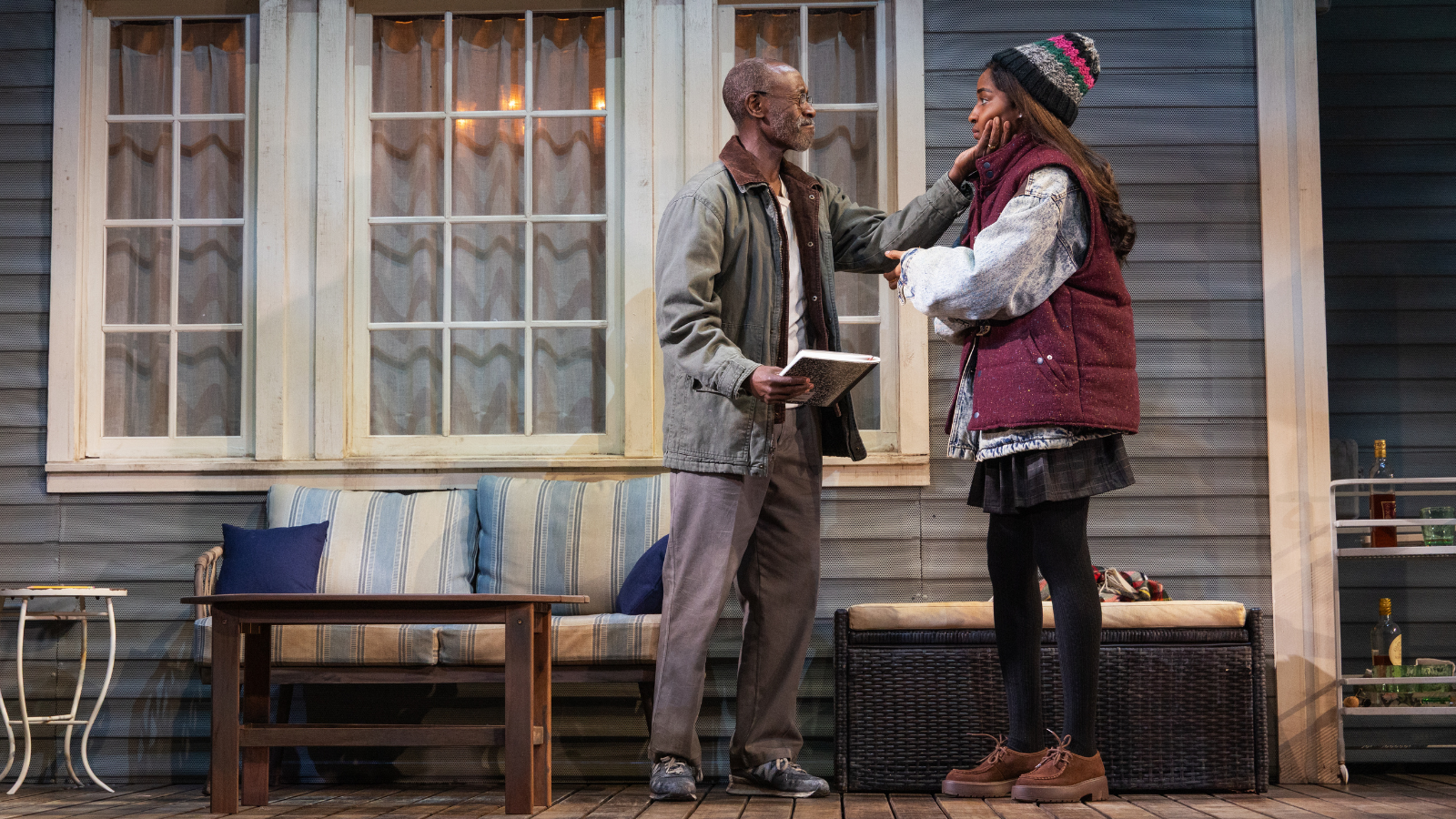
Proof centers on Catherine (Ayo Edebiri), the young daughter of mathematical genius Robert (Don Cheadle). Robert has recently died following a long illness, and after two years as his caretaker, Catherine is exhausted.
Catherine is also, in the eyes of her sister Claire (Kara Young), growing mentally unstable—perhaps in a manner similar to their father. That Catherine spends the play’s first scene debating her dead father at length would seem to back up Claire’s concern. But the despondent Catherine does find some comfort with Hal (Jin Ha), a kind-hearted former student of her father's. That is, until the unclear origins of a mathematical proof discovered in the house set the two at odds.
Proof is a solidly-built kind of play, talky and reflective. Its sections of quiet melancholy do demand a quiet stillness, which is this production’s default mode. But at its best, Proof can also be an exhilarating ride. The open question of Catherine’s sanity should hover uncertainly, injecting tension into even the most quotidian conversations. Meanwhile the specter of a genius father, his legacy straining the bond of two distant but loving sisters, can provide a painful emotional core.
Hell, the New York Times described the original Broadway production of Proof as moving like a “psychological thriller.” Under Kail’s direction, it feels closer to “Lifetime Original.” This revival is frustratingly inert; the play’s layered, tricky confrontations glide by with little weight or significance.
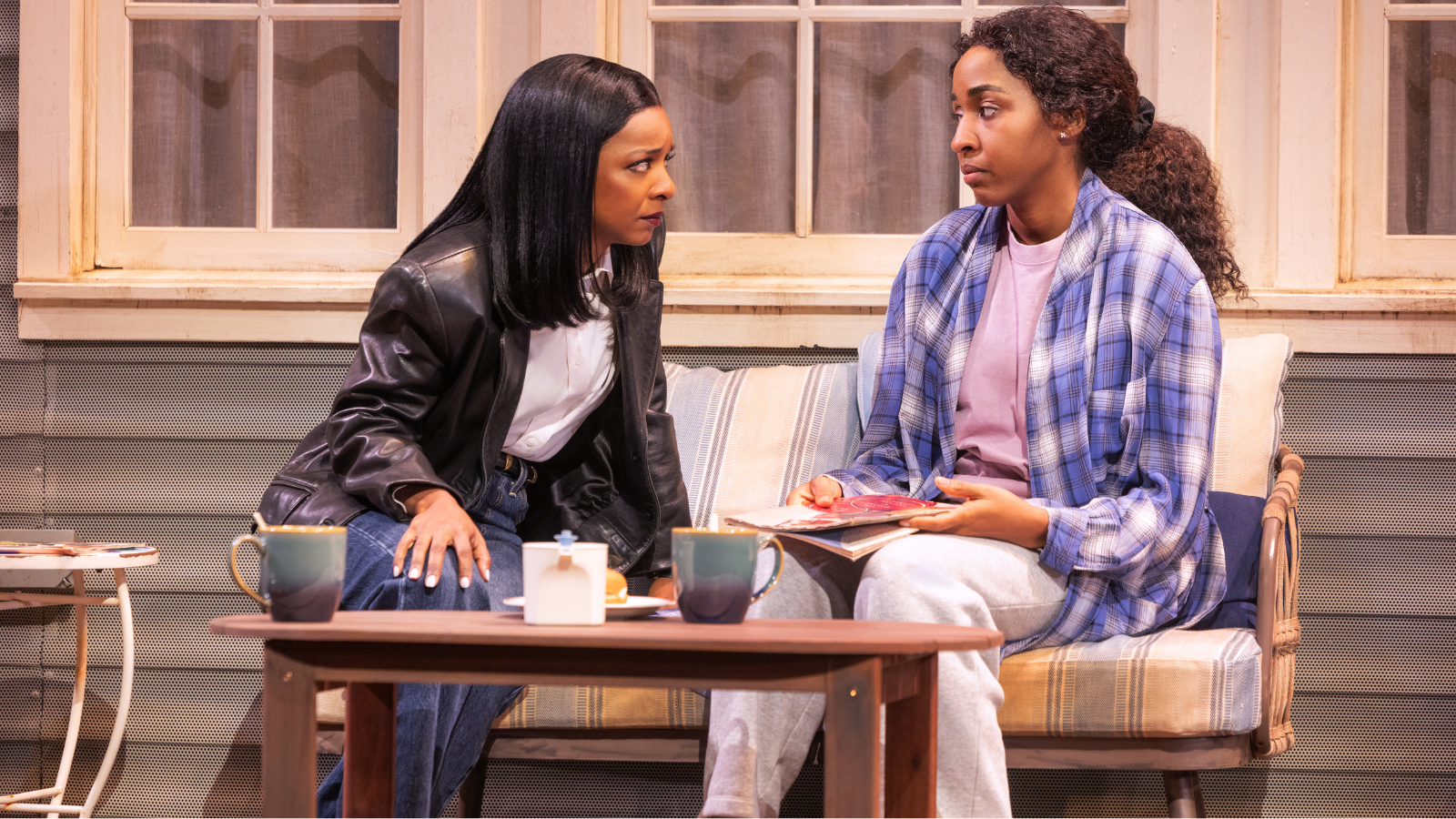
Edebiri is a gifted comic actor, and does find a surprising sweetness in Catherine. Making her Broadway debut, Edebiri is at her strongest in lighter moments opposite Ha, particularly the pair’s endearing flirtations in the play’s first act. Edebiri and Ha have a comfortable chemistry, and Catherine and Hal’s deepening bond feels comfortable, and sweet.
But when Catherine needs to be hovering on the edge of breakdown, Edebiri feels lost. She ends up falling back on some unfortunate tics, chiefly a staccato line delivery and big, bulging eyes. It always feels forced, and the notion that secret genius lies underneath these eccentricities is never felt.
It is also not plausible, here, that Claire would view her sister as requiring hospitalization. Kara Young, a star, strains to make sense of Claire without a strong Catherine to bounce off of. Young is also suppressing her typical liveliness and verve for a more pent-up, internal character. She is somewhat miscast here, but it’s intriguing to see Young push herself in a different direction. Ultimately, one could never be bored watching her on stage.
Cheadle is obviously a formidable actor, and brings effortless presence. He finds an easy charm in Robert’s lucid moments. But Cheadle struggles with the play’s long monologues, which tend to fade into nothingness as he lets the words drift away from him, floating off when they should land forcefully.
A smart set by Theresa L. Williams does suggest intriguing ideas around order, inspiration and controlled chaos, ideas that never quite cohere in this disappointing revival of a great play.
Proof is now in performances at the Booth Theatre on West 45th Street in New York City. For tickets and more information, visit here.


