



A September Review Roundup
Theatrely senior critic Joey Sims reviews a few shows currently performing Off-Broadway right now:
ARIAS WITH A TWIST
If you’ve ever seen a show in the Dorothy B. Williams Theatre, that 63-seat den in the basement of HERE Arts Center, you’ve likely stopped to admire the Basil Twist-original marionettes displayed by the doors: a quartet of 40s-era jazz musicians, dressed to the nines. I’ve walked past these dapper, dangling gentlemen more times than I count.
So how disorienting to see them appear on stage in Arias With A Twist, the legendary puppeteer’s wildly imaginative 2008 collaboration with legendary drag artist Joey Arias. A hit when it premiered nearly two decades ago in this same tiny theater (a longer run at Abrons Arts Center followed), Arias With A Twist now returns to HERE Arts fully intact, a fascinating replica of a time long since passed.
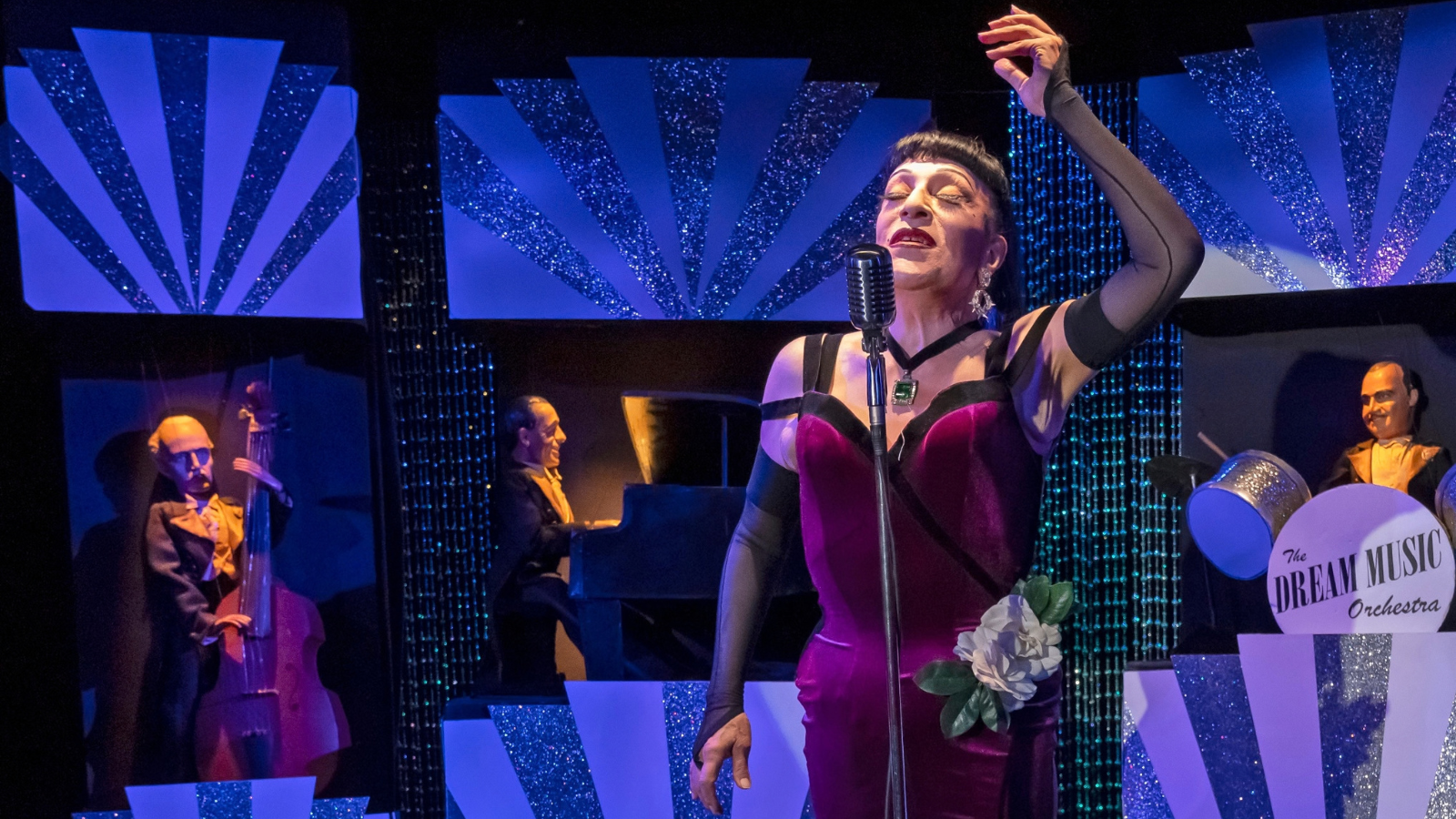
If that sounds like a backhanded compliment, well…yeah. The puppet work of Twist remains dazzling, and each astonishing stage picture is more trippy than the last. How the production does all of that in such a tiny space (powered by five invisible puppeteers, all masters of the craft) is beyond me.
Still, I wonder if the team erred in replicating Twist so exactly, like a museum piece on display. Arias’ voice is basically shot; the bawdy humor is played for gasps, but no longer feels so transgressive. Aside from a couple brief asides to the audience, Arias doesn’t have any fun with either of these realities. If Twist and Arias had acknowledged the passing of time, rather than ignoring it, how much more alive might this show have felt?
DON JUAN
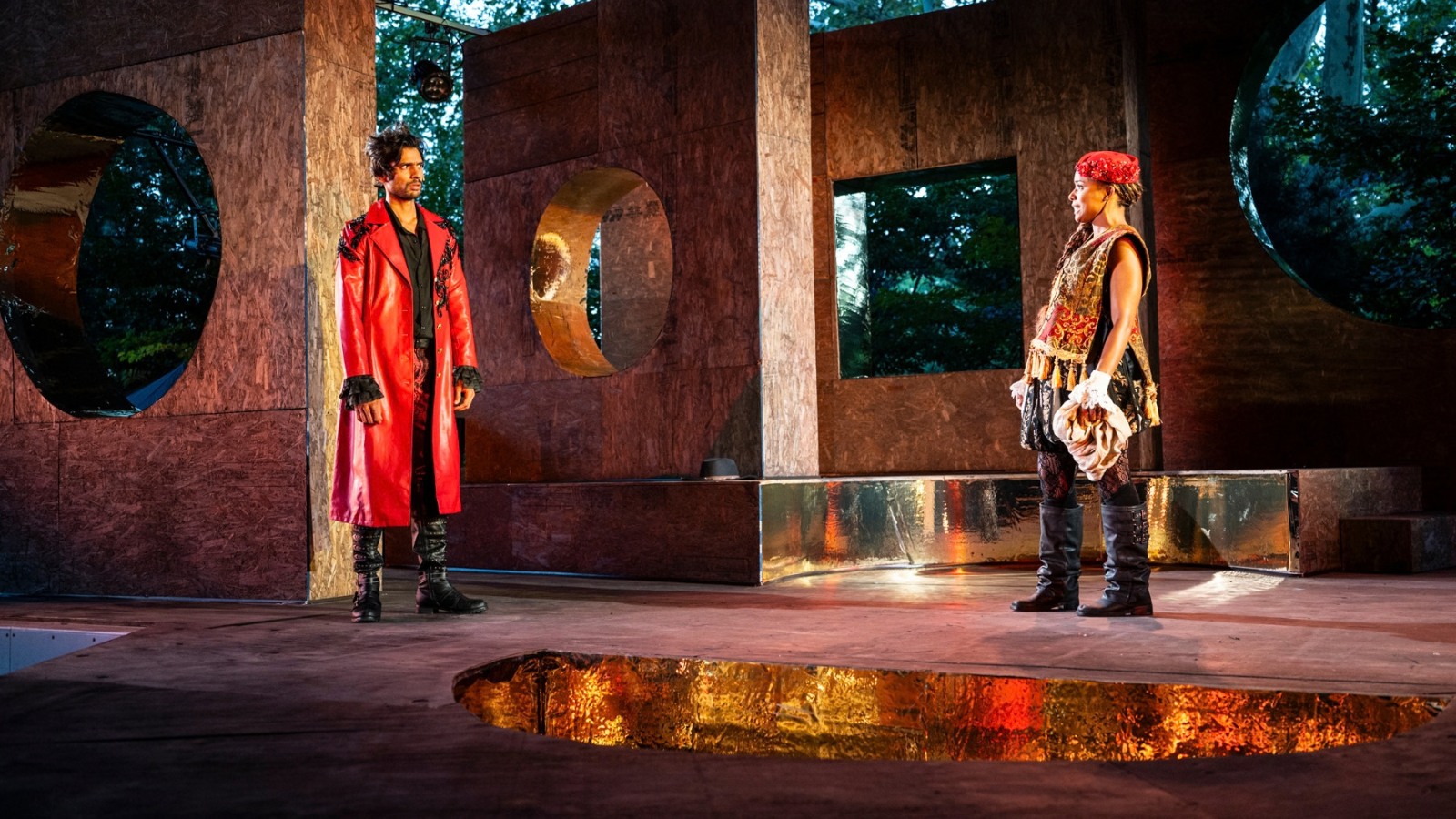
I’m a huge fan of Molière in the Park, the outdoor theater project spearheaded by Lucie Tiberghien now in its third year of performance in Prospect Park. Sadly, Don Juan is not as strong as last summer’s enjoyable staging of The Imaginary Invalid. In contrast to the delightful clownery of Invalid, Don Juan is a more tonally uncertain affair, ping-ponging between broad comedy and grave solmenity. Even so, that genius ending still hits (“My wages!!”) and this project remains a valuable one. I hope we’re back in the park for another go next fall.
VERY BLUE LIGHT
The political and personal collide in Daphne Silbiger’s talky reunion drama Very Blue Light, an ambitious work reminiscent of Will Arbery’s Pulitzer-finalist Heroes of the Fourth Turning in form, if not in dramatic impact.
Much like Arbery, Silibiger strands four adrift 20-somethings in the desert to hash out their socio-political confusion and disillusionment. Except instead of rural Wyoming, Blue Light drops us in the deserts of Texas; and rather than conservative Catholics, this foursome fall on varying points across the left-wing spectrum…though they may be drifting in other directions.
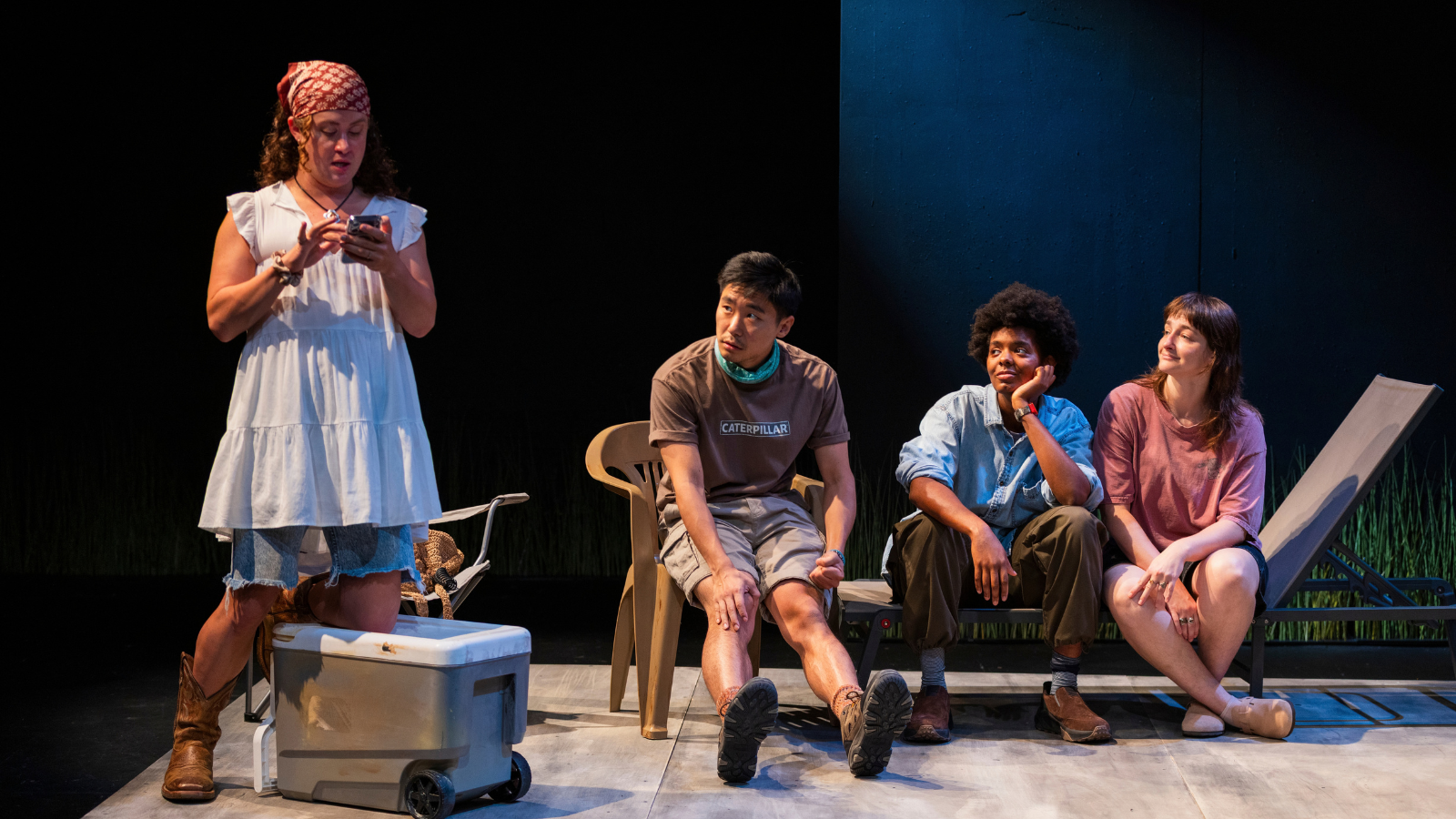
The ideas are intriguing, and the political clashes in Blue Light crackle with intellectual energy. But while Silibiger captures fissures on the left with precision, her characters feel hazier. After the four disperse, the play segues into a dreary relationship drama that is far less engaging. Maybe we should have stayed in the debate, taking another leaf out of Arbery’s book: just one long night with four lost souls, sparring in the abyss.
THE CHERRY ORCHARD
Much as I love it when a show fills the entirety of Park Avenue Armory’s massive drill hall, I get an equal kick out of productions that embrace the immense, frightening emptiness of that space.
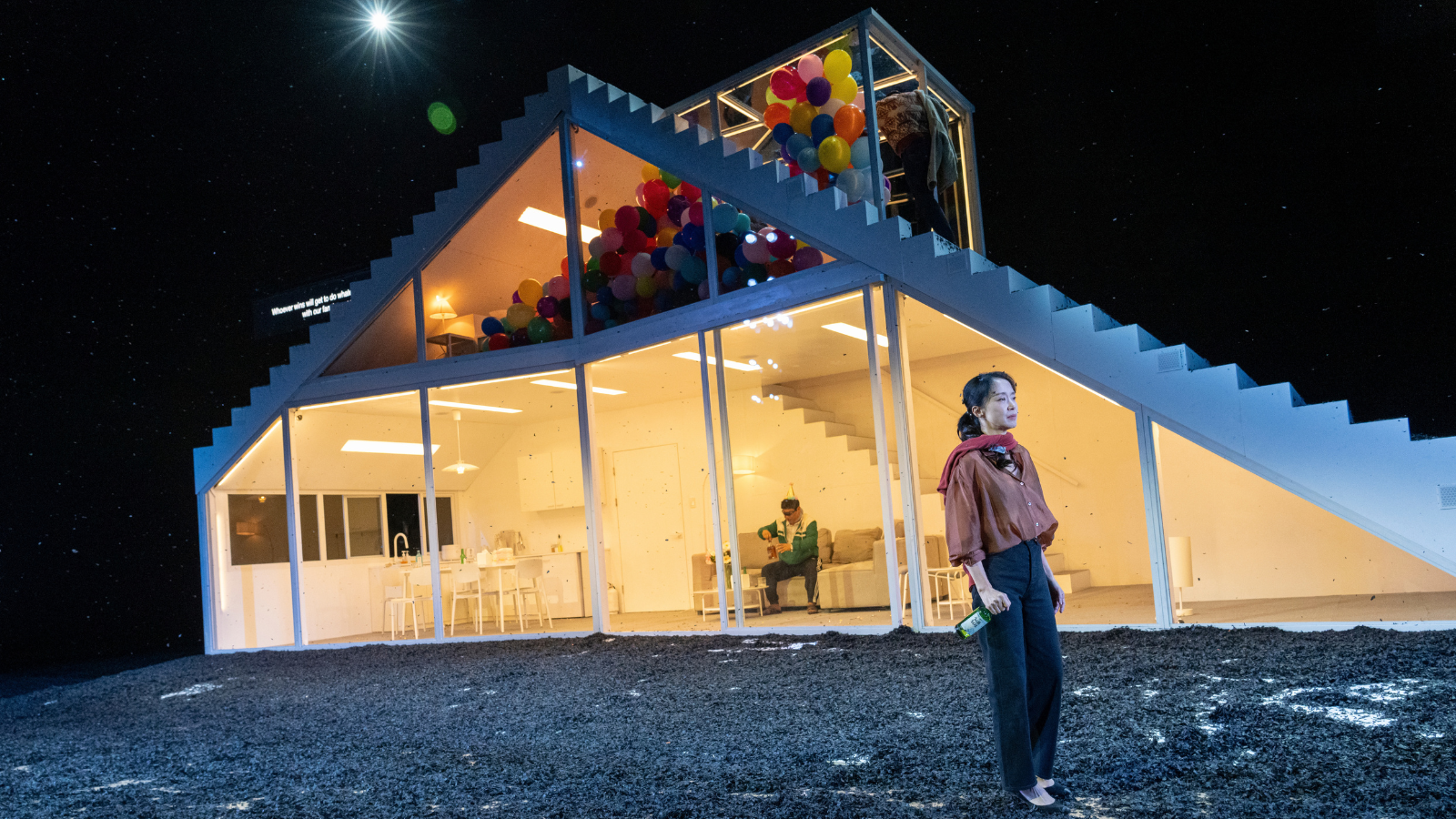
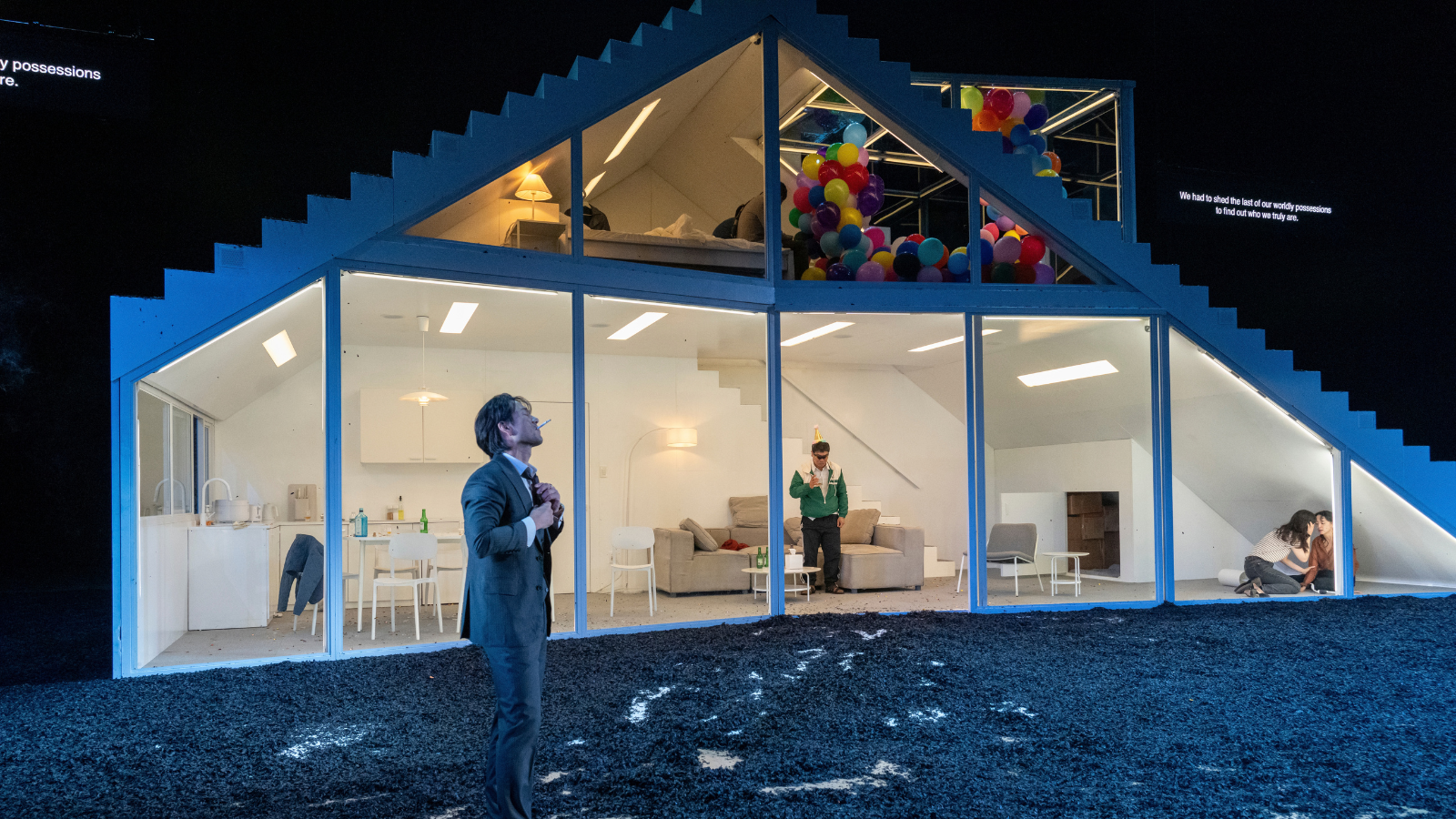
Simon Stone turned the drill hall into a suffocating black box for his stunning production of Yerma in 2018, with darkness seeming to press in from all sides. For his excellent new take on The Cherry Orchard, performed by an entirely Korean cast with English supertitles, Stone takes the opposite tack. Set designer Saul Kim has placed the family’s modern, glass-encased home at the center of a vast nothingness, the surrounding space stretching on and on. (James Farncombe lights the hall in beautifully subtle ways - I gasped at his use of the back wall to suggest a beautiful sunset.) The staging reinforces this wealthy Koran dynasty’s disconnection from reality, from a world spinning forward and ready to leave them behind.
With the room fulfilling all our existential despair needs, Stone is free to craft an unusually enjoyable Cherry Orchard. True, this adaptation is not exactly subtle (like his peer Robert Icke, Stone has rarely been accused of subtlety). And it does inevitably sag towards the second act, a problem of Chekov's play. But it’s hard to quibble with a production so utterly engrossing, and crafted with such unusual and startling clarity.


